Lack of digital literacy among senior medical professionals: Digital literacy in healthcare refers to the ability of healthcare professionals to effectively utilize digital tools, platforms, and data systems to enhance patient care and service delivery. Many senior professionals and nurses face challenges in adapting to the new technologies, leading to inefficiencies and potential issues in patient care.. In India, many senior medical professionals have limited exposure to digital tools and platforms, making it challenging for them to navigate and utilize these tools effectively. In this article, we will discuss this in detail.
Lack of digital literacy among senior medical professionals
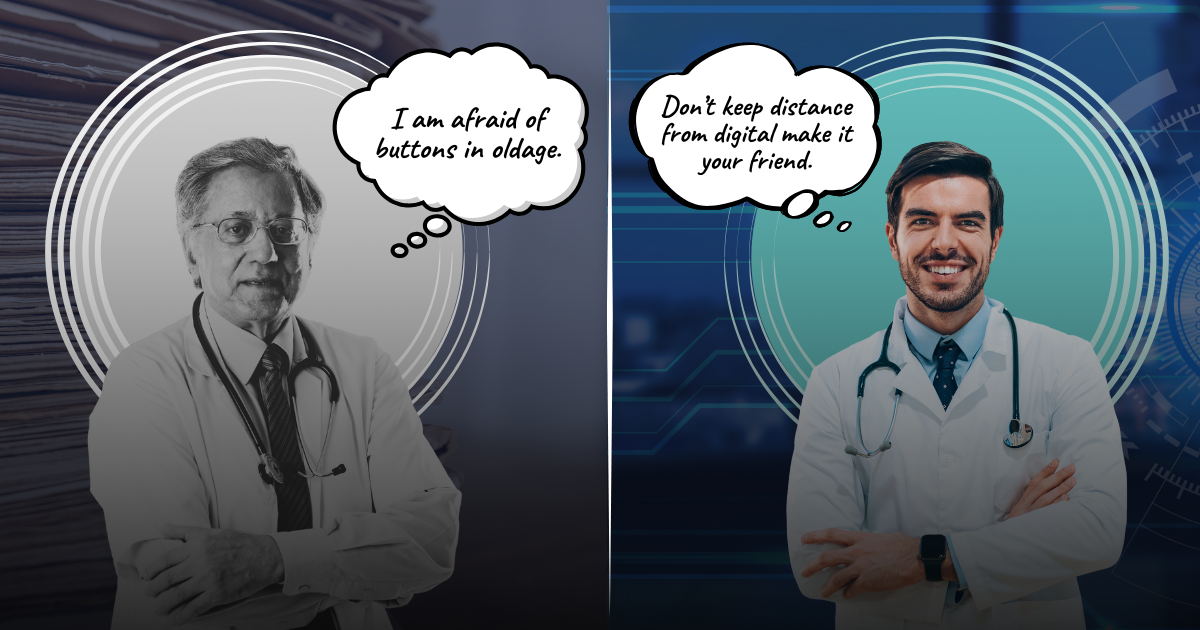
Lack of digital literacy skills can impede career readiness. Without proficiency in digital tools and technologies, they struggle to meet the evolving demands of the medical market. Job seekers and professionals must continuously upgrade their skills to stay competitive and emerging technologies for career growth. By embracing digital learning and staying adaptable, individuals can future-proof their careers in the evolving digital landscape.
It can also affect communication within a team and between departments. Professionals are increasingly utilizing electronic health records, telemedicine, and mobile health tools under initiatives such as the Ayushman Bharat Digital Mission (ABDM), thereby enhancing patient care and operational efficiency. It impacts all types of businesses, from small local businesses to multinational corporations, as it influences how effectively they can leverage contemporary technology to offer products/services or maintain market competitiveness.
- Limited Exposure to Digital Platforms
• Limited exposure to digital platforms means your business isn’t getting the online presence it could have. Most people search online for a service, but your business is not visible where many people are looking. If you are not online, it might slow your growth. - Resistance to Technology Adoption
• The people are slow and fear to use new tools or digital solutions for their problems. They feel it may be harder to compete. But it is not hard; you should open the door for a new way of working and reaching customers.
What is Digital Literacy?
Digital literacy is about being able to find, evaluate, and share information effectively using digital tools like computers, phones, and the internet. And it mixes technological skills with thinking skills to create, judge, and share info online. This literacy helps you connect with others online, get your message out, and navigate the digital world confidently.
This review looked into how low digital literacy affects health. Digital literacy (DL) is about being able to use digital tools to find and able to use digital tools. So improving digital literacy can help people make better health decisions online and use digital health tools more effectively. Digital health literacy helps people navigate online health info, understand it, and use it to make better health choices for themselves or loved ones.
Challenges
- Poor Understanding Tools:- If we are talking about the Senior medical professionals often face challenges with digital literacy, impacting their ability to effectively use digital health tools. It is the biggest lack of digital understanding. This can make it harder for people to adapt or feel comfortable with digital tools. We can help make transitions to digital systems smoother, provide training that fits people’s needs, and help balance digital and paper workflows..
- Hesitance to use technology:- Senior professionals who have been working for a long time are accustomed to paper-based systems, so it is easy for them. They may find it difficult to transition to digital platforms compared to junior professionals. Most of the senior professionals have a hesitation to use social public awareness. But our company, Digital Direct Rule, promotes those kinds of people.
- Inefficiency:- Our Company Digital Direct Rule is a stakeholder company, and we recognize the inefficiency in utilizing social media for public awareness. We promote senior medical professionals, including esteemed doctors, through our social media platforms. By highlighting their expertise and contributions, we aim to educate the public and foster trust in our healthcare system. Through targeted campaigns and engaging content, we will showcase the dedication and commitment of these medical professionals, ultimately enhancing public awareness and appreciation for their invaluable work.
- Risk of misinformation sharing:- The lack of digital literacy among senior medical professionals is a risk of misinformation sharing. Without proper work, doctors may accidentally spread wrong information, compromising patient care and public health. As a stakeholder company, we recognize the importance of digital literacy in today’s digital age. By providing targeted training and resources, Digital Direct Rule company can empower senior medical professionals to navigate the digital landscape effectively, ensuring they share accurate and reliable information that benefits patients and the broader community.
The role of digital Literacy in effective health protection
The evolution of modern healthcare underscores the important question of societal priorities in development. When distributing finite healthcare resources, decision-makers must weigh numerous factors and navigate a range of sometimes conflicting criteria, including equity, access, fairness, and effectiveness.
The World Health Organization (WHO) defines digital health as “the combination of health, as well as emerging areas, such as the use of advanced computing sciences in big data, genomics, and artificial intelligence.” For successful use of all available digital and informational possibilities, there is a need that health providers and patients to have at least a basic digital literacy. Digital literacy encompasses the skills necessary for the safe and discerning utilization of electronic media in professional settings, leisure activities, and communication.
– Individuals with higher digital health literacy are better equipped to manage their mental state. Individuals are also able to avoid negative emotions and prevent psychological issues. Individuals with higher digital literacy reported better long-term disease control.
What is the role of digital transformation in healthcare?
Digital transformation in healthcare refers to the comprehensive integration of digital technologies, data analytics, and innovative processes to enhance the delivery of healthcare services.
The need for a Digitally Literate Health workforce
The role of digital literacy extends beyond hospital settings. It is crucial for community-based healthcare providers, particularly in rural areas, where frontline health workers such as the primary point of contact for millions of patients.
Healthcare professionals need digital skills to provide better care. Digital literacy helps them:
Use technology efficiently: Access patient records, send prescriptions, and consult with colleagues online.
Make informed decisions: Analyze data, identify trends, and improve patient outcomes.
Improve patient care: Communicate effectively, share information, and provide personalized care.
Enhance patient safety by reducing errors, improving diagnosis, and streamlining care.
Increase efficiency by automating tasks, reducing paperwork, and focusing on patient care.
Stay competitive: Adapt to the changing healthcare landscape, improve services, and attract patients.
Benefits of Digital Literacy
More Time for Patients: This helps senior medical professionals work more efficiently, reducing paperwork and freeing up time for patient care.
Better Patient Care: Digital literacy enables senior medical professionals to access patient records, and they can give better care to patients. It lets doctors focus more on patients and less on tech struggles, making care more personal and effective.
Staying Current: Digital literacy provides senior medical professionals with opportunities to stay current with the latest medical research, attend online conferences, and participate in online forums, helping them stay up-to-date in their field.
By being digitally literate, senior medical professionals can provide better care, work more efficiently, and stay current with the latest medical knowledge.
Improving Digital Literacy for Senior Medical Professionals
To help senior medical professionals improve their digital skills, consider these strategies:
Training Programs: Offer training sessions that teach senior medical professionals how to use digital tools and technologies
Mentorship: Pair senior medical professionals with colleagues who are skilled in digital technologies, providing guidance and support.
Easy-to-Use Technology: Provide digital tools that are easy to use and offer reliable IT support, making it simpler for senior medical professionals to adopt digital technologies.
How Social Media Helps Medical Professionals Connect Digitally
• Using platforms like LinkedIn, Instagram, or YouTube helps doctors showcase their medical expertise. This boosts their professional visibility, connects them with more people, and can build their reputation.
• Doctors can share accurate health tips, explain treatments, and bust health myths online. This helps people get trustworthy health info and make better choices. doctors can connect with patients and the public in a caring way, building trust.
• Posting regular content online helps doctors build authority and trust with patients consistent content shows patients that the doctor cares about sharing valuable info
- Using digital tools lets doctors collaborate with peers and clinics all over the country. Attracts Younger, Tech-Savvy Patients. It helps connect with digital-native patients who seek doctors online.
- Having a consistent digital presence helps your practice show up better in Google searches. It is easy to find online ways to help patients connect with you when they need help.
- Digital tools let you respond to patient questions fast, post updates, or do live Q&A. This helps you engage with patients in real-time, making them feel heard.
- Sharing knowledge online helps doctors position themselves as leaders in their specialty. Thought leadership builds credibility and connects doctors with patients.
Conclusion
In this article, we discussed that Senior medical professionals often struggle with digital technologies, which can impact patient care and efficiency. To address this, we can provide training programs, mentorship, and supportive infrastructure. By using digital tools, we can make patient care better, make workflows more efficient, and help senior medical pros succeed in today’s fast-changing healthcare world. And digital tools help doctors focus on what matters most – caring for patients. For more information, visit our website, Digital Direct Rule.