
Categories
Medical

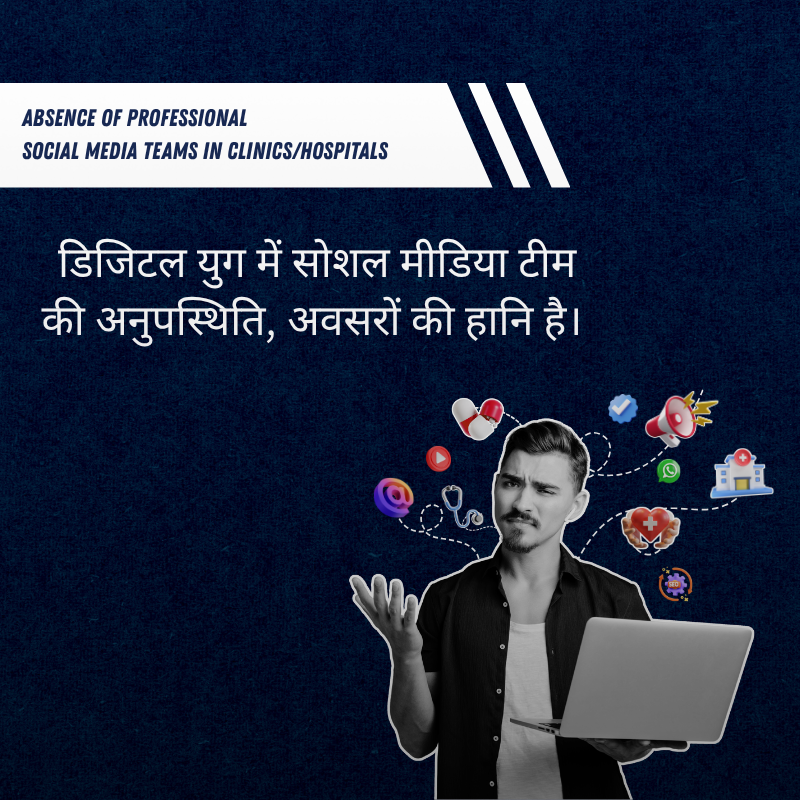
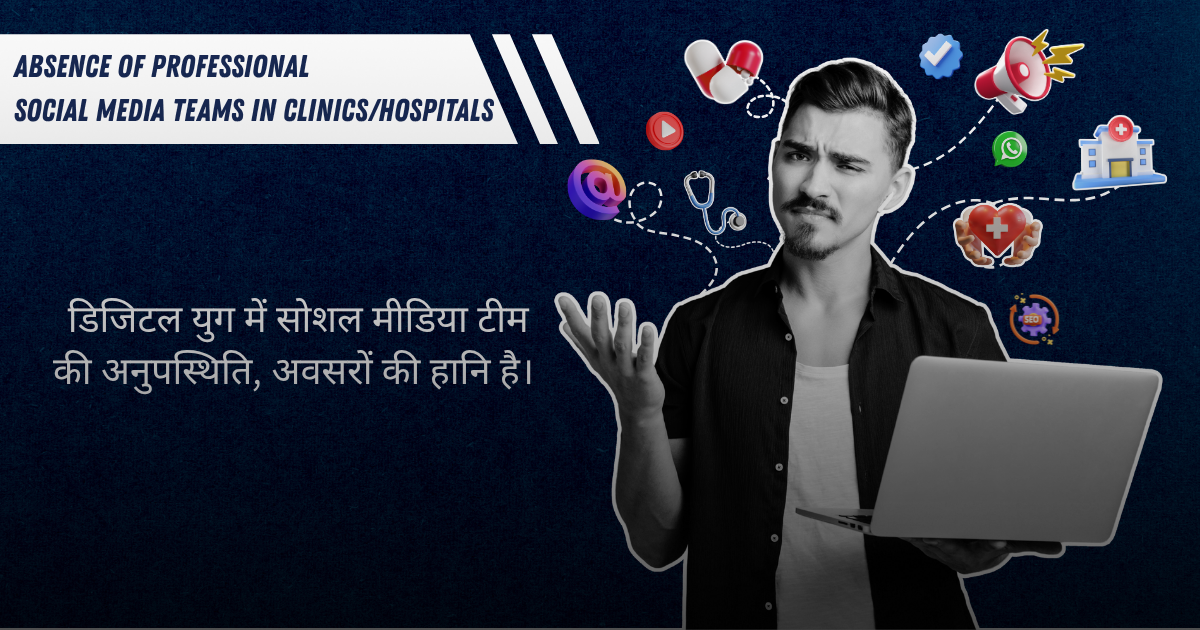
Absence of professional social media teams in clinics/hospitals

Absence of professional social media teams in clinics/hospitals: Social media has fundamentally changed how the world shares and gets information. Many hospitals and clinics struggle to effectively utilize social media, missing out on opportunities to connect with patients, share important health information, and build trust. This can result in a missed opportunity and a loss of confidence. Having a professional team can help healthcare organizations communicate effectively, share important information, and build strong relationships with patients. In this article, we will discuss this in detail.

Absence of professional social media teams in hospitals
Most people think social media is only for young people. However, this is not the case; healthcare professionals can also benefit from this platform. When it comes to the healthcare social media market, it`s simple to see how it might assist a practice.

Hospitals and clinics often lack a dedicated team to manage their social media presence. This can lead to:

  • Missed opportunities to connect with patients:- Hospitals and clinics often miss chances to interact with patients through social media, failing to share important health information, build trust, and respond to concerns. This missed opportunity can impact patient engagement and satisfaction, ultimately affecting the quality of care and relationships with patients.
  • Inconsistent messaging and branding:- Inconsistent messaging and branding can be like having a mixed-up identity – it’s hard for patients to know what to expect from a hospital or clinic. Consistent branding is like having a clear signature style – it helps build trust and makes a healthcare organization more relatable and memorable
  • Difficulty sharing important health information:-Without a strong social media presence, hospitals and clinics may miss the opportunity to share crucial health information, such as disease prevention tips, health alerts, and wellness advice. So this can leave patients and the community without access to reliable and trustworthy health information, making it harder for them to stay healthy and informed
  • Limited engagement and community building:- Hospitals and clinics may struggle to connect with patients and the community, limiting opportunities for meaningful interactions, feedback, and support. This can lead to a lack of trust, loyalty, and advocacy, ultimately affecting patient satisfaction and health outcomes. Digital Direct Rule. To overcome this, hospitals and clinics should prioritize digital engagement by creating interactive content ( polls, quizzes, Q&A sessions), responding promptly to online comments and messages, and sharing patient success stories and testimonials

Challengs of social Media in the hospital

Rules of engagement are ignored or misunderstood, and social media issues are likely to arise. Furthermore, if healthcare professionals don’t grasp the limits they have in a healthcare context vs. running a personal profile, these obstacles become a problem.

Responding to Negative Reviews on Social Media Platforms

Healthcare social media accounts, professional and compliant with the Health Insurance Portability and Accountability Act, keep you out of trouble. People may be upset by a comment made, or they may have been inconvenienced in some manner by your healthcare facility. So that they may leave a poor review or respond angrily to a post.

Time Consuming

Managing social media takes time, and healthcare professionals are already busy. Spending just an hour or two a week might not be enough to see real results. You need to invest time to get the benefits of social media.

Low-quality Information

The fact that the internet is available to everyone is a drawback. And this is because anyone can upload material on whatever subject they wish. The people become self-proclaimed experts and distribute erroneous information without conducting research.

Ignorance of Potential Risks
Absence of professional social media teams in hospitalsAdvanced algorithms on social media cater to their users by supplying them with content they will love.

Lack of Patient Confidentiality and Patient Privacy

When it comes to using social media, professionalism is another problem for many healthcare providers. Confidentiality and privacy of patient information are still just as crucial. So that social media is frequently perceived as less serious, childlike, or even less “respectable”. Healthcare providers face challenges on social media, like maintaining professionalism and protecting patient privacy. To address this, create simple guidelines for your practice to follow, ensuring a respectful and secure online presence

If you have concerns about this, set up social media guidelines for your practice to follow. After

Digital Direct Rule, this company suggests that healthcare organizations should invest in a dedicated social media team that can build trust, share valuable health info, and engage with patients. By doing so, they’ll improve their online presence, build their brand, and create a stronger community

The result of Not Having a Professional Social Media Team

If you do not have a professional social media team can have serious results for healthcare organizations. These include:

  1. Missed opportunities: Without a dedicated social media team, healthcare organizations may miss opportunities to connect with patients and share important health information.
  2. Inconsistent messaging: Without a consistent social media presence, healthcare organizations may struggle to build trust and credibility with their audience.
  3. Limited engagement: A lack of engagement with patients and the wider community can lead to a lack of brand awareness and loyalty.
  4. Negative online reviews: Without a social media team to monitor and respond to online reviews, healthcare organizations may struggle to address patient concerns and improve patient satisfaction.

A social media team can help healthcare organizations in many ways:

  • Create engaging content that patients love:- Creating engaging content means developing social media posts, videos, and stories that patients find interesting, informative, and enjoyable. This can include health tips, patient success stories, behind-the-scenes looks at healthcare teams, Q&A sessions with doctors, and infographics that explain complex health topics in a simple way.
  • Build a strong brand that people trust:- Building a strong brand means creating a consistent and recognizable identity for a healthcare organization that patients trust and respect. So this involves developing a unique voice, visual style, and tone that reflects the organization’s values and mission. By establishing a strong brand, healthcare organizations can differentiate themselves, build credibility, and foster loyalty among patients
  • Talk to patients and respond to their questions:- Talking to patients and responding to their questions means engaging in two-way communication on social media, where healthcare organizations actively listen to patient concerns, respond promptly to their queries, and provide helpful information. And share important health information that’s accurate and up-to-date

With a professional social media team, healthcare organizations can:

  • Build trust and credibility with patients:- By being transparent, responsive, and informative on social media, CarePlus Healthcare can show patients that they genuinely care about their well-being. This can lead to increased patient loyalty. Digital Directive for CarePlus Healthcare: Prioritize transparency, empathy, and responsiveness on social media to build trust
  • Providing expert advice and guidance, innovative approaches and solutions. Highlighting their expertise and credentials
  • Improve patient engagement and satisfaction:- Improving patient engagement and satisfaction means creating a positive experience for patients through effective communication, personalized care, and timely support. At CarePlus Healthcare, this can be achieved by:
  • Respond promptly to patient queries and concerns:-Respond to patient queries and concerns within 2 hours to show patients you care and value their time. This prompt response can be achieved through:
  • Providing relevant and accurate health information:- Digital Directive for Healthcare: Provide accurate and up-to-date health information that addresses patient concerns and interests. Ensure content is: reviewed by medical experts, Easy to understand, and Relevant to patient needs
  • Educate patients and the community about important health topics:- The community about important health topics by sharing valuable information on disease prevention, healthy lifestyle tips, and the latest medical research.

By having a dedicated social media team, healthcare organizations can make a big impact online and build a stronger connection with patients and the community. They can share valuable information, respond to concerns, and show patients that they care. Digital Directive Rule for Healthcare: Invest in a dedicated social media team to build a strong online presence, engage with patients, and share valuable health information. By doing so, Healthcare can make a big impact online and build a stronger connection with patients and the community

Conclusion

In this article, we discussed the absence of professional social media teams in clinics/hospitals: Social media has fundamentally changed how the world shares and gets information. For more information can visit our website Digital Direct Rule.
Categories
Medical

Lack of digital literacy among senior medical professionals

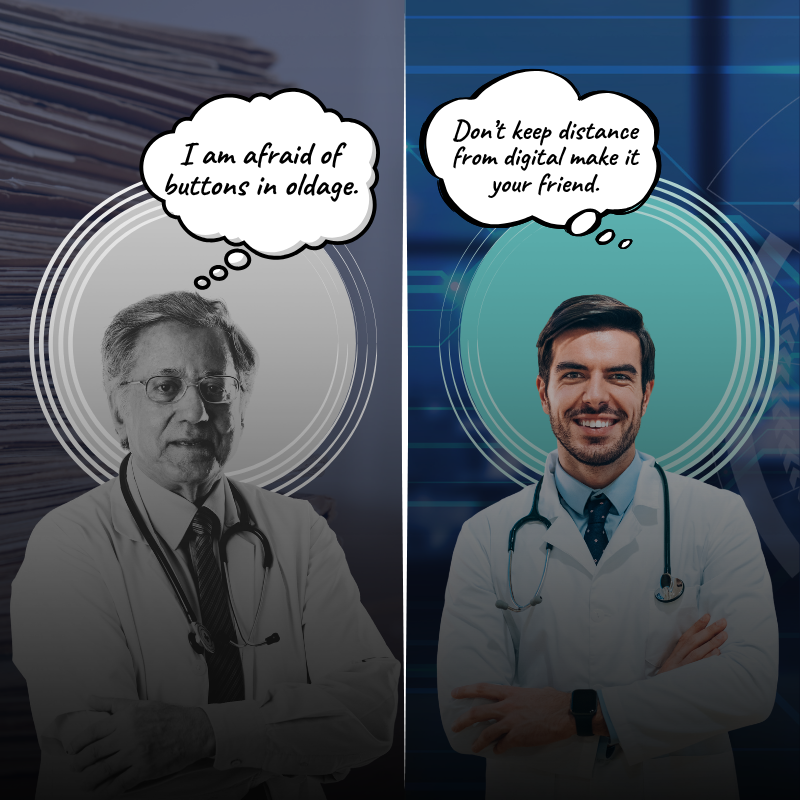
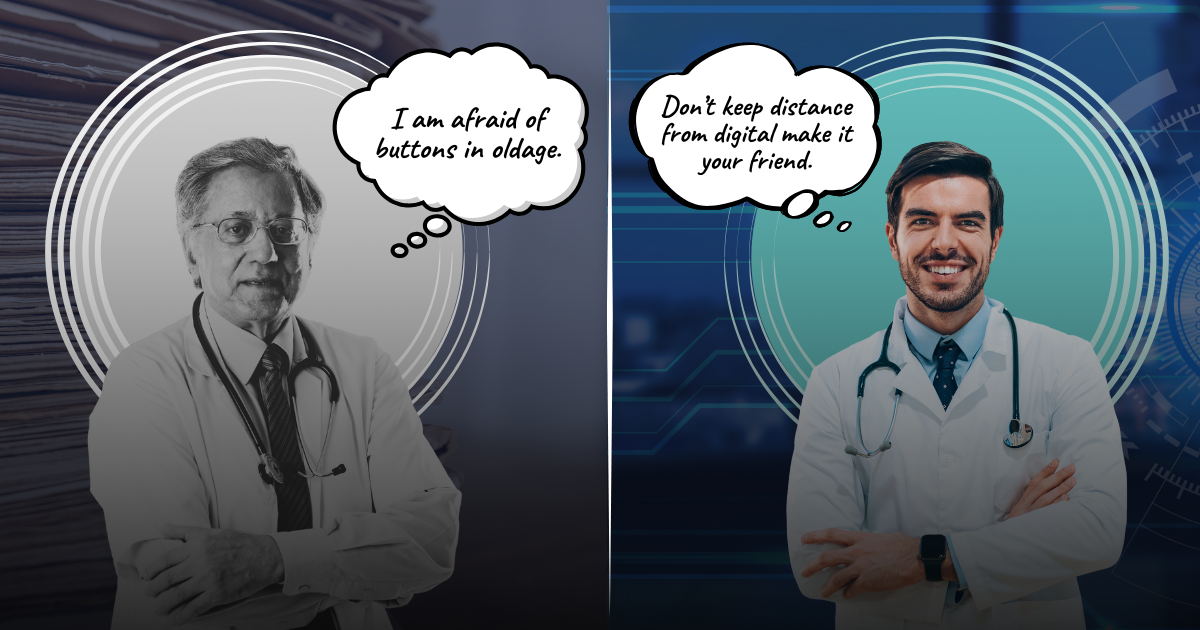
Lack of digital literacy among senior medical professionals: Digital literacy in healthcare refers to the ability of healthcare professionals to effectively utilize digital tools, platforms, and data systems to enhance patient care and service delivery. Many senior professionals and nurses face challenges in adapting to the new technologies, leading to inefficiencies and potential issues in patient care.. In India, many senior medical professionals have limited exposure to digital tools and platforms, making it challenging for them to navigate and utilize these tools effectively. In this article, we will discuss this in detail.

Lack of digital literacy among senior medical professionals

Lack of digital literacy skills can impede career readiness. Without proficiency in digital tools and technologies, they struggle to meet the evolving demands of the medical market. Job seekers and professionals must continuously upgrade their skills to stay competitive and emerging technologies for career growth. By embracing digital learning and staying adaptable, individuals can future-proof their careers in the evolving digital landscape.

It can also affect communication within a team and between departments. Professionals are increasingly utilizing electronic health records, telemedicine, and mobile health tools under initiatives such as the Ayushman Bharat Digital Mission (ABDM), thereby enhancing patient care and operational efficiency. It impacts all types of businesses, from small local businesses to multinational corporations, as it influences how effectively they can leverage contemporary technology to offer products/services or maintain market competitiveness.

  1. Limited Exposure to Digital Platforms
    • Limited exposure to digital platforms means your business isn’t getting the online presence it could have. Most people search online for a service, but your business is not visible where many people are looking. If you are not online, it might slow your growth.
  2. Resistance to Technology Adoption
    • The people are slow and fear to use new tools or digital solutions for their problems. They feel it may be harder to compete. But it is not hard; you should open the door for a new way of working and reaching customers.

What is Digital Literacy?

Digital literacy is about being able to find, evaluate, and share information effectively using digital tools like computers, phones, and the internet. And it mixes technological skills with thinking skills to create, judge, and share info online. This literacy helps you connect with others online, get your message out, and navigate the digital world confidently.

This review looked into how low digital literacy affects health. Digital literacy (DL) is about being able to use digital tools to find and able to use digital tools. So improving digital literacy can help people make better health decisions online and use digital health tools more effectively. Digital health literacy helps people navigate online health info, understand it, and use it to make better health choices for themselves or loved ones.

Challenges 

  1. Poor Understanding Tools:- If we are talking about the Senior medical professionals often face challenges with digital literacy, impacting their ability to effectively use digital health tools. It is the biggest lack of digital understanding. This can make it harder for people to adapt or feel comfortable with digital tools. We can help make transitions to digital systems smoother, provide training that fits people’s needs, and help balance digital and paper workflows..
  2. Hesitance to use technology:- Senior professionals who have been working for a long time are accustomed to paper-based systems, so it is easy for them. They may find it difficult to transition to digital platforms compared to junior professionals. Most of the senior professionals have a hesitation to use social public awareness. But our company, Digital Direct Rule, promotes those kinds of people.
  3. Inefficiency:- Our Company Digital Direct Rule is a stakeholder company, and we recognize the inefficiency in utilizing social media for public awareness. We promote senior medical professionals, including esteemed doctors, through our social media platforms. By highlighting their expertise and contributions, we aim to educate the public and foster trust in our healthcare system. Through targeted campaigns and engaging content, we will showcase the dedication and commitment of these medical professionals, ultimately enhancing public awareness and appreciation for their invaluable work.
  4. Risk of misinformation sharing:- The lack of digital literacy among senior medical professionals is a risk of misinformation sharing. Without proper work, doctors may accidentally spread wrong information, compromising patient care and public health. As a stakeholder company, we recognize the importance of digital literacy in today’s digital age. By providing targeted training and resources, Digital Direct Rule company can empower senior medical professionals to navigate the digital landscape effectively, ensuring they share accurate and reliable information that benefits patients and the broader community.

The role of digital Literacy in effective health protection

The evolution of modern healthcare underscores the important question of societal priorities in development. When distributing finite healthcare resources, decision-makers must weigh numerous factors and navigate a range of sometimes conflicting criteria, including equity, access, fairness, and effectiveness.

The World Health Organization (WHO) defines digital health as “the combination of health, as well as emerging areas, such as the use of advanced computing sciences in big data, genomics, and artificial intelligence.” For successful use of all available digital and informational possibilities, there is a need that health providers and patients to have at least a basic digital literacy. Digital literacy encompasses the skills necessary for the safe and discerning utilization of electronic media in professional settings, leisure activities, and communication.

– Individuals with higher digital health literacy are better equipped to manage their mental state. Individuals are also able to avoid negative emotions and prevent psychological issues. Individuals with higher digital literacy reported better long-term disease control.

What is the role of digital transformation in healthcare?


Digital transformation in healthcare refers to the comprehensive integration of digital technologies, data analytics, and innovative processes to enhance the delivery of healthcare services.
The need for a Digitally Literate Health workforce

The role of digital literacy extends beyond hospital settings. It is crucial for community-based healthcare providers, particularly in rural areas, where frontline health workers such as the primary point of contact for millions of patients.

Healthcare professionals need digital skills to provide better care. Digital literacy helps them:

Use technology efficiently: Access patient records, send prescriptions, and consult with colleagues online.
Make informed decisions: Analyze data, identify trends, and improve patient outcomes.
Improve patient care: Communicate effectively, share information, and provide personalized care.
Enhance patient safety by reducing errors, improving diagnosis, and streamlining care.
Increase efficiency by automating tasks, reducing paperwork, and focusing on patient care.
Stay competitive: Adapt to the changing healthcare landscape, improve services, and attract patients.

Benefits of Digital Literacy


More Time for Patients:
This helps senior medical professionals work more efficiently, reducing paperwork and freeing up time for patient care.
 Better Patient Care: Digital literacy enables senior medical professionals to access patient records, and they can give better care to patients. It lets doctors focus more on patients and less on tech struggles, making care more personal and effective. 

Staying Current: Digital literacy provides senior medical professionals with opportunities to stay current with the latest medical research, attend online conferences, and participate in online forums, helping them stay up-to-date in their field.
By being digitally literate, senior medical professionals can provide better care, work more efficiently, and stay current with the latest medical knowledge.

Improving Digital Literacy for Senior Medical Professionals

To help senior medical professionals improve their digital skills, consider these strategies:

Training Programs: Offer training sessions that teach senior medical professionals how to use digital tools and technologies
Mentorship: Pair senior medical professionals with colleagues who are skilled in digital technologies, providing guidance and support.
Easy-to-Use Technology: Provide digital tools that are easy to use and offer reliable IT support, making it simpler for senior medical professionals to adopt digital technologies.

How Social Media Helps Medical Professionals Connect Digitally


• Using platforms like LinkedIn, Instagram, or YouTube helps doctors showcase their medical expertise. This boosts their professional visibility, connects them with more people, and can build their reputation.
• Doctors can share accurate health tips, explain treatments, and bust health myths online. This helps people get trustworthy health info and make better choices. doctors can connect with patients and the public in a caring way, building trust.
• Posting regular content online helps doctors build authority and trust with patients consistent content shows patients that the doctor cares about sharing valuable info

  • Using digital tools lets doctors collaborate with peers and clinics all over the country. Attracts Younger, Tech-Savvy Patients. It helps connect with digital-native patients who seek doctors online.
  • Having a consistent digital presence helps your practice show up better in Google searches. It is easy to find online ways to help patients connect with you when they need help.
  • Digital tools let you respond to patient questions fast, post updates, or do live Q&A. This helps you engage with patients in real-time, making them feel heard.
  • Sharing knowledge online helps doctors position themselves as leaders in their specialty. Thought leadership builds credibility and connects doctors with patients.

Conclusion

In this article, we discussed that Senior medical professionals often struggle with digital technologies, which can impact patient care and efficiency. To address this, we can provide training programs, mentorship, and supportive infrastructure. By using digital tools, we can make patient care better, make workflows more efficient, and help senior medical pros succeed in today’s fast-changing healthcare world. And digital tools help doctors focus on what matters most – caring for patients. For more information, visit our website, Digital Direct Rule.